Conductors, cables and connections
Several things need to match at an electrical connection: conductor function, construction, terminal and preparation. The terms in this section help distinguish those requirements.
Insulation colour alone does not establish function. Similar-looking cables or terminals may have different approvals. The examples explain the specifications and refer to full guides for construction and selection.
How these terms connect
Conductor functions, cable construction and correctly made connections. The short definition supports quick lookup. Open an entry for its example, important distinctions and useful references. Related terms link to further entries in the glossary.
The linked guides explain applications in greater detail. This glossary explains terminology and replaces neither product documentation nor assessment of an actual installation.
Look up a term
14 terms found
C
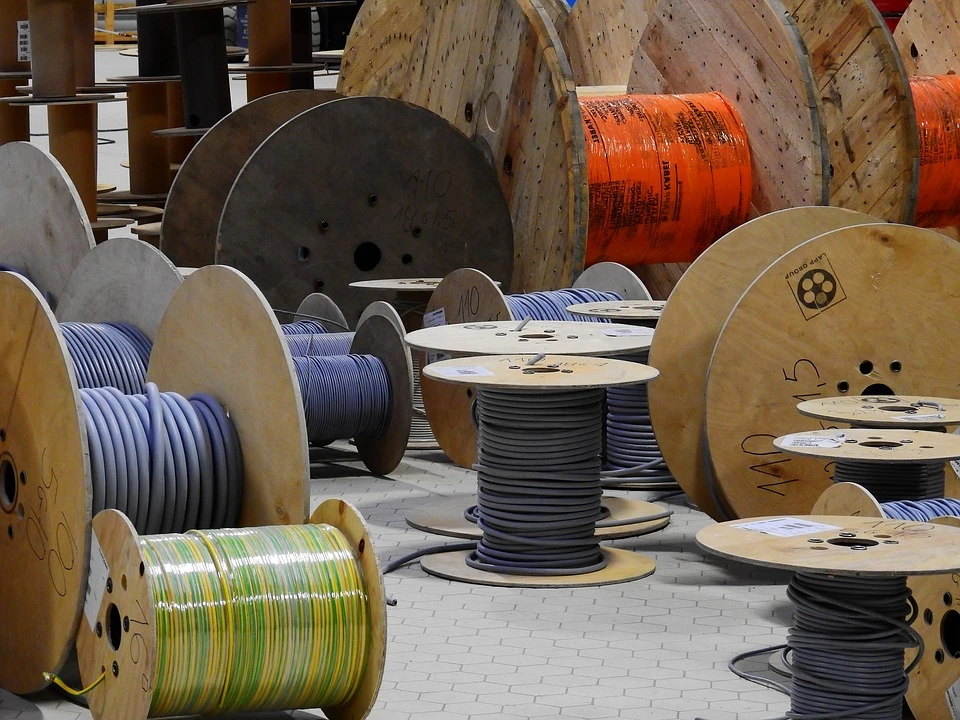
Cable and wiring conductorCables and wiring conductors provide electrical connections in different forms. Precise terminology depends on product and standards context.
Selection depends on actual construction, conductors, insulation, environment and manufacturer approval. An everyday name does not replace these details.
Example
An individual insulated wiring conductor and a sheathed multicore installation cable have different construction and application conditions.
Important distinction
The word cable alone does not establish burial suitability, UV resistance or current capacity. The actual type matters.
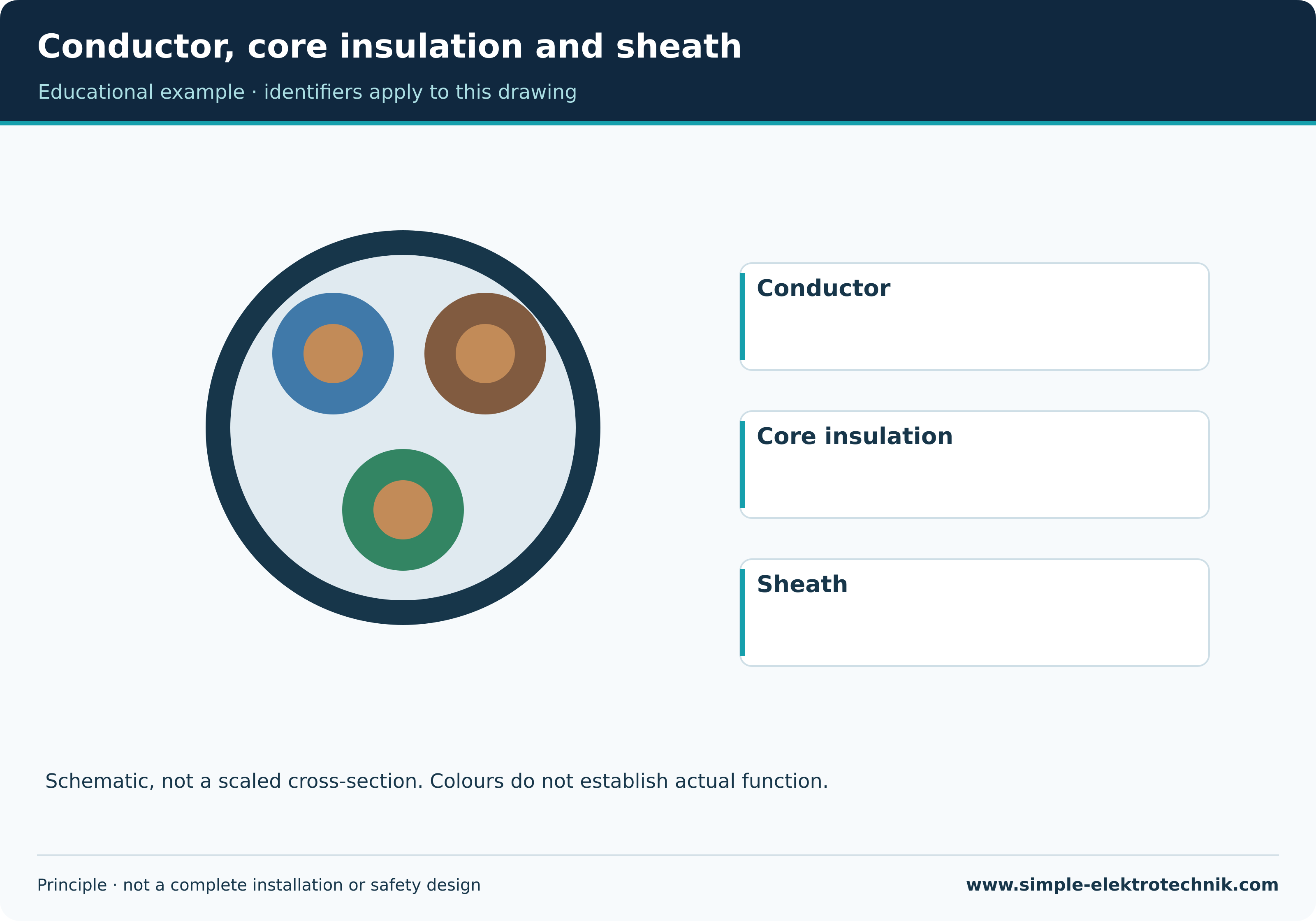
Cable sheathThe sheath is an outer covering of a cable. It serves different functions from each core’s individual insulation.
Material and construction can affect mechanical protection and suitability for environments. These properties depend on the product.
Example
At an entry, the sheath must be positioned as required by the system so that sealing and any strain relief work correctly.
Important distinction
An intact sheath does not prove intact internal core insulation. A cable gland does not automatically provide every required strain-relief function.
Conductor cross-sectional areaConductor cross-sectional area describes the area of conducting material through a conductor. Square millimetres are commonly used.
It is not the outside diameter of an insulated core. Permissible current also depends on installation method, environment, grouping and protection.
Example
Two insulated conductors that appear equally thick can have different conductor areas and materials.
Important distinction
A single mm² value does not determine a universal protective-device rating. Selection requires the full operating and installation conditions.
Connecting terminalA connecting terminal provides an intended electrical and mechanical connection between conductors.
Permitted conductor types, sizes, quantities, stripping and operating methods depend on the product. Screw and spring principles may have different requirements.
Example
A transparent area may allow an additional conductor-position check but does not replace complete connection verification.
Important distinction
Similar housings do not establish identical approval. Two conductors must not share an opening merely because they fit.
I
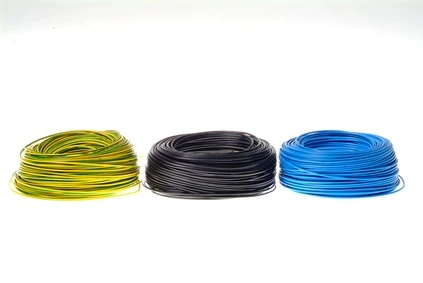
Insulated coreIn the usual cable context, an insulated core consists of a conductor and its individual insulation.
Several cores may sit within a common cable together with other construction elements. Conductor material, construction and insulation determine different properties.
Example
When a multicore cable’s overall sheath is removed, its individually insulated cores remain visible.
Important distinction
Removing the sheath and stripping a core are different operations. Damaged core insulation is not merely cosmetic.
J
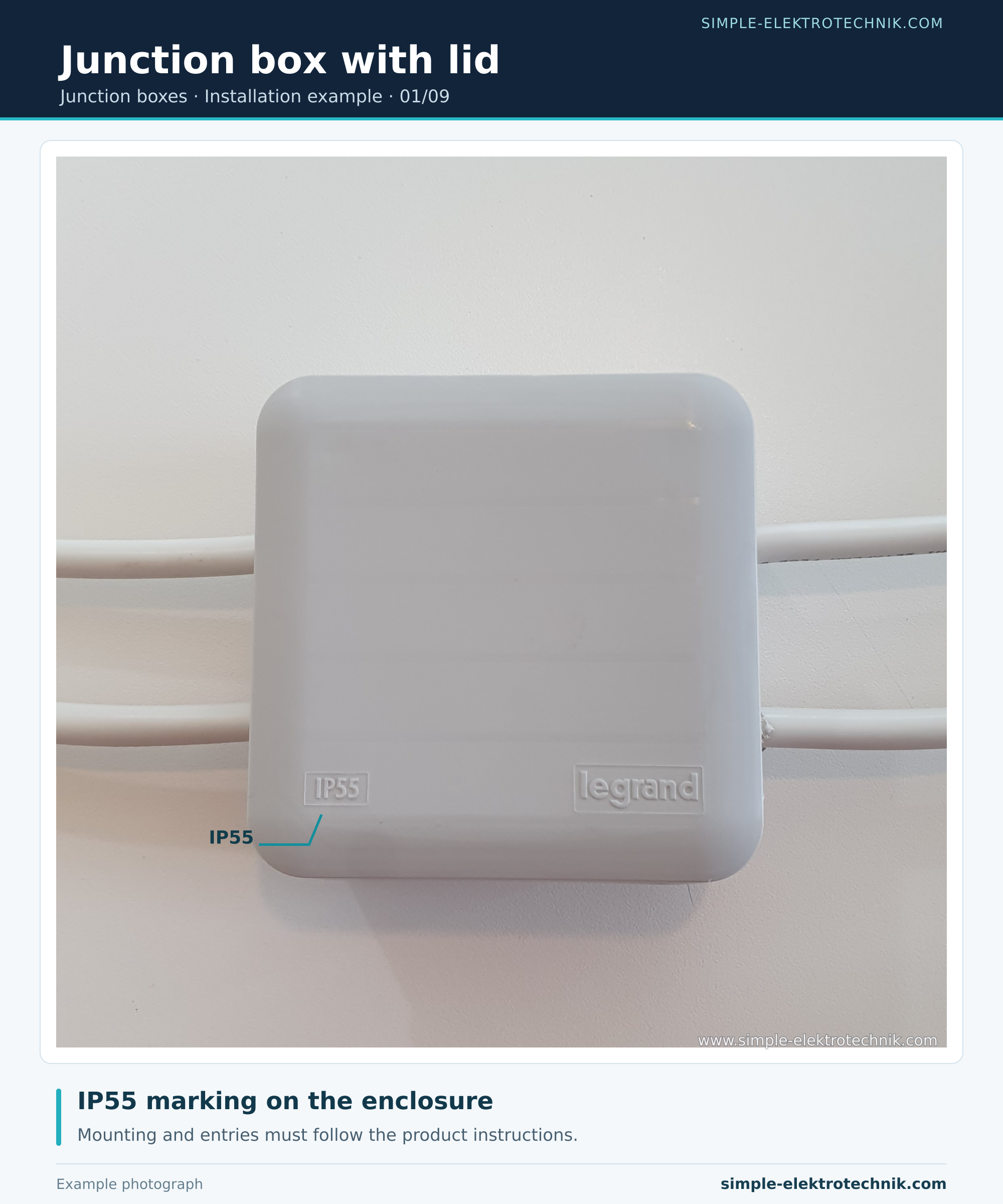
Junction boxA junction box contains electrical connections and protects them according to its intended construction.
Box, cover, entries, seals, cables and terminals form a system. Space and accessibility must suit the actual installation.
Example
Outdoor installation requires a suitable combination of enclosure, entries and mounting condition.
Important distinction
Neat wiring is helpful but is not a safety demonstration on its own. Required electrical verification remains necessary.
L
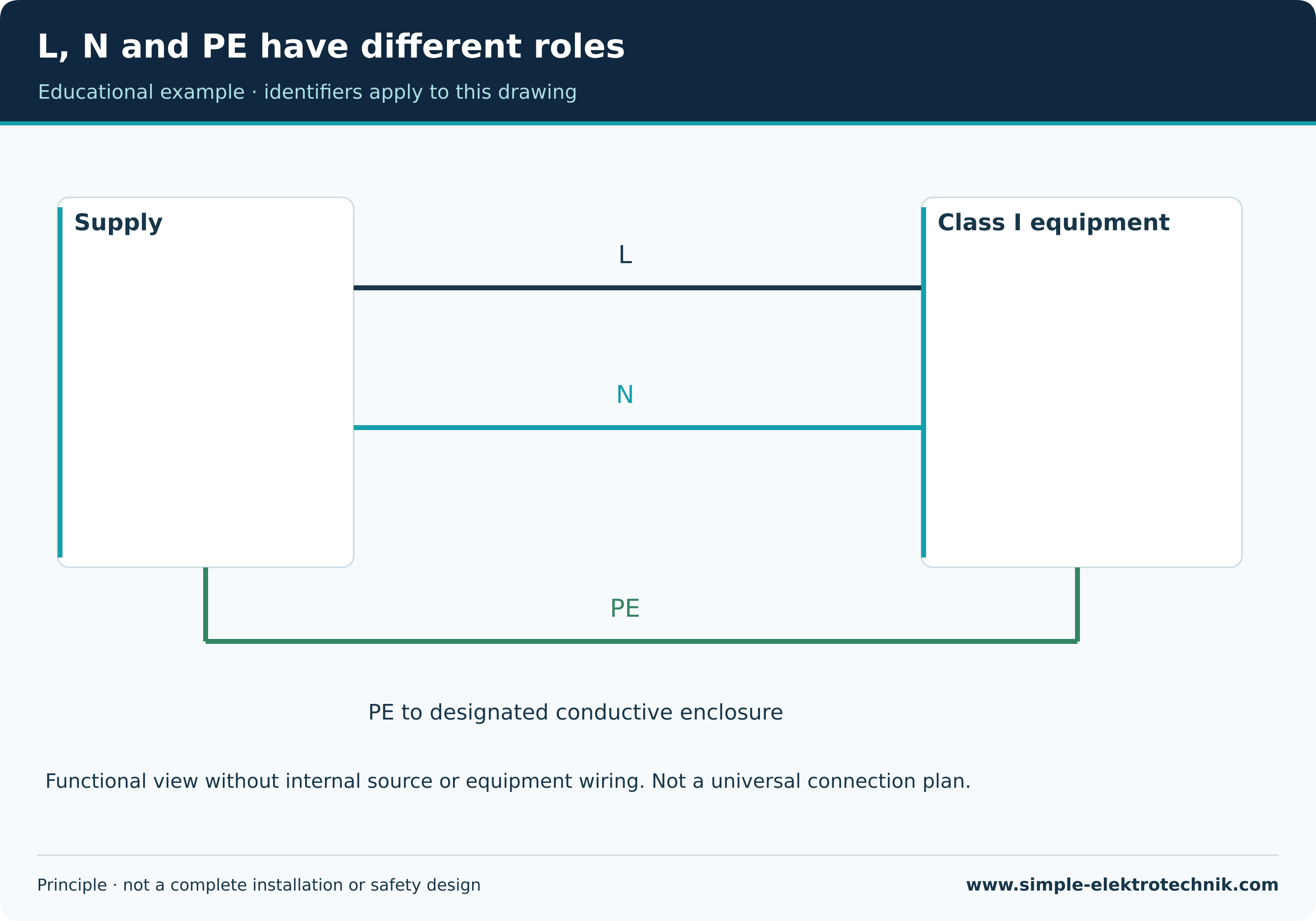
Line conductorA line conductor is a live conductor other than a neutral or midpoint conductor. L or L1, L2 and L3 are common designations in AC installations.
A hazardous voltage can exist relative to another conductor or earth. The actual voltage depends on the supply and earthing arrangement.
Example
A single-phase lamp may be supplied between line and neutral when the equipment and circuit are designed accordingly.
Important distinction
Insulation colour alone does not prove conductor function. The everyday term phase also needs distinguishing from phase angle and phase sequence.
N
Neutral conductorA neutral conductor is connected to the neutral point of the supply system and may contribute to transmission of electrical energy.
It belongs to the live conductor system and can carry load current. Its potential and loading cannot be inferred merely from blue insulation.
Example
Unbalanced single-phase loads in a three-phase system can produce current in the common neutral.
Important distinction
N is not a protective conductor and is not inherently harmless. Historical German Nullleiter terminology must not obscure the distinction between N and PEN.
P
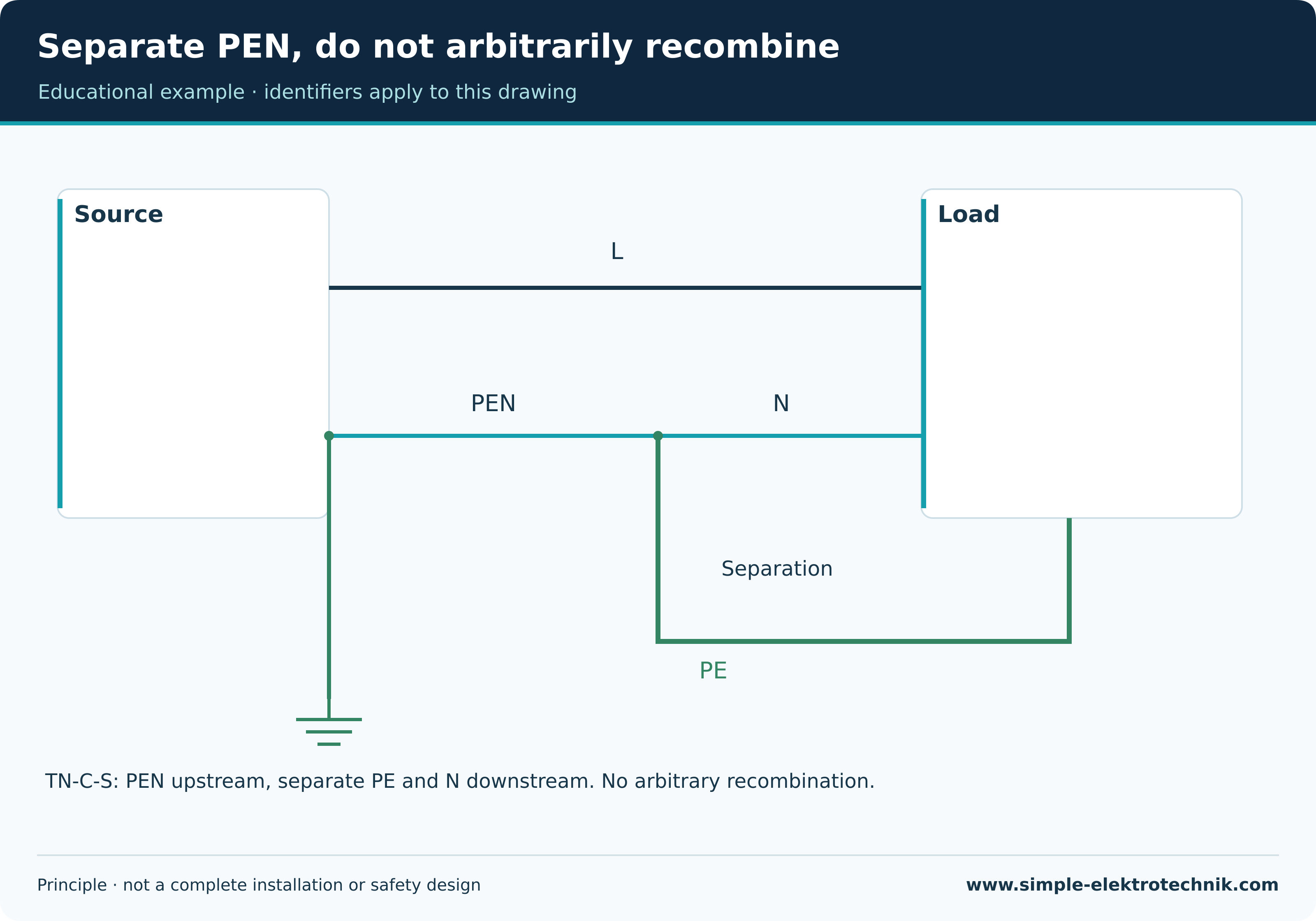
PEN conductorA PEN conductor combines protective conductor and neutral conductor functions in one designated conductor.
The combination belongs to particular system sections and is subject to specific requirements. An interruption can affect both protection and the load return path.
Example
In a TN-C-S arrangement, a PEN section is followed by a designated separation into PE and N.
Important distinction
This does not permit arbitrary N–PE links. After the intended separation, the functions must not be arbitrarily recombined.
Protective conductorA protective conductor is provided for protection, for example to connect designated exposed conductive parts to the protective system.
Its connection forms part of the protective concept. Suitable construction and the required verification establish whether it is effective.
Example
A designated conductive enclosure of Class I equipment is connected to the protective conductor system.
Important distinction
PE must not be used as an ordinary load neutral. An RCD does not replace a PE required by the protective concept.
S
Strain reliefStrain relief is intended to keep designated mechanical forces away from the electrical connection.
Its construction must match cable, sheath, diameter and equipment. A sealing function and a mechanical retention function need to be distinguished.
Example
For a suitable flexible supply cord, designated sheath clamping can prevent tension acting directly on conductor terminals.
Important distinction
A tightly fitting cable does not automatically have correct strain relief. Knots and improvised clamps are not general solutions.
Stripping lengthStripping length is the length of core insulation removed at a conductor end for the intended connection.
It depends on the actual terminal and manufacturer instructions. Conducting material and remaining insulation must not be damaged during preparation.
Example
A marked connector may show its required stripping length directly on its housing.
Important distinction
A commonly used millimetre value does not apply to every terminal. Too little or too much exposed conductor can cause different connection problems.
T
Terminal identificationTerminal markings identify intended functions or connections on equipment or a connector system.
The relevant viewing direction and actual product must be known. Contact-side and rear connection views may appear as mirror images.
Example
A drawing of a socket connector’s contact face is not used unchecked as a plug wiring view.
Important distinction
A colour sequence or expected physical position does not replace markings. Machine rotation also cannot be established from a connector picture alone.
W
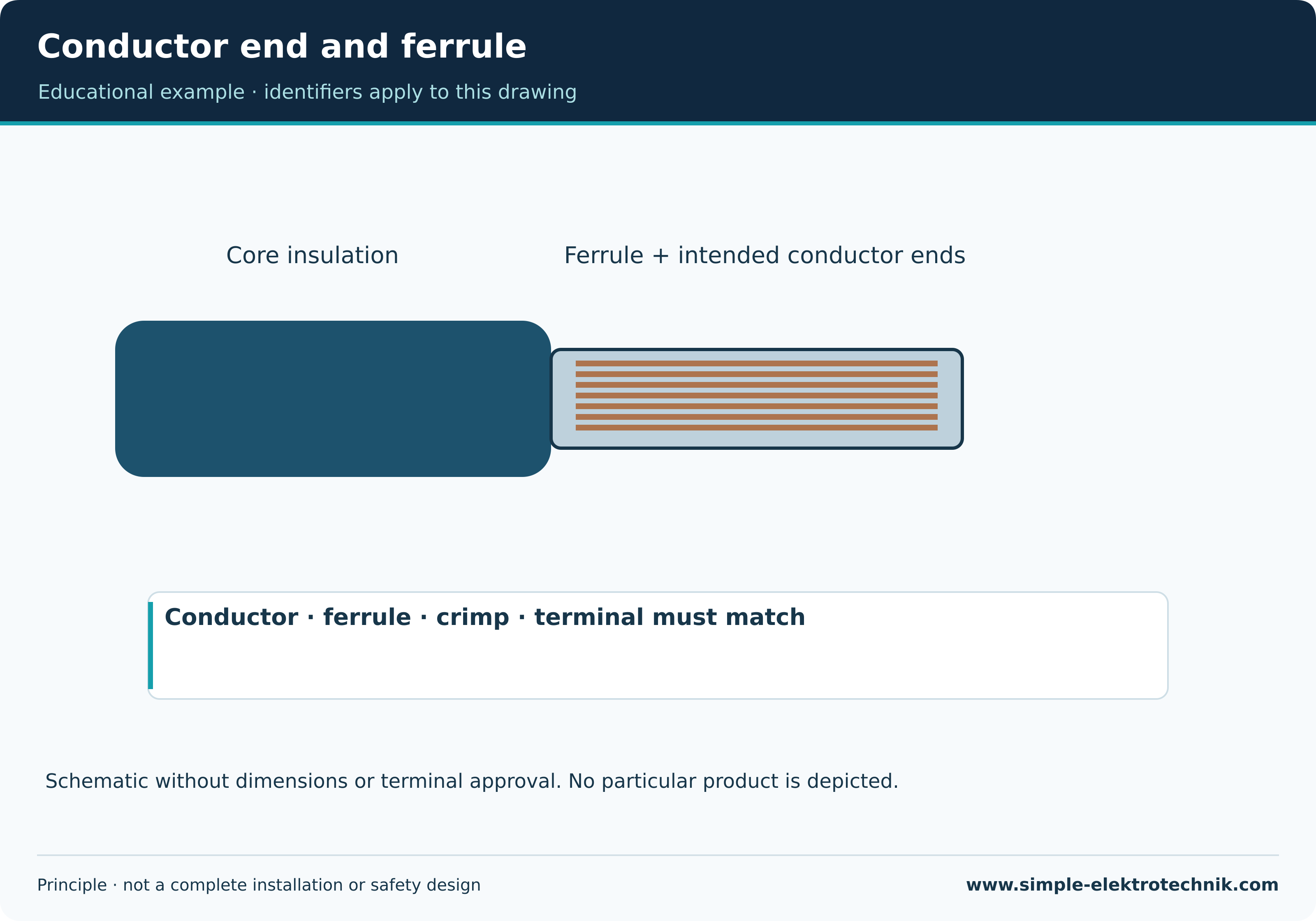
Wire-end ferruleA wire-end ferrule gathers the fine strands of a suitable conductor at its end.
Ferrule, conductor area, length, crimp tool and terminal must match. Whether a ferrule is required, permitted or unsuitable follows from the connection design and product instructions.
Example
A terminal may accept flexible conductors only in particular prepared conditions.
Important distinction
A ferrule does not make every terminal suitable for every conductor. Tinning is not a general alternative to the specified conductor-end treatment.
No matching term. Try another spelling or select all topics.